
Project controls
What is a purchase order in construction?
By the DailyBuild team - Published - 5 min read
Short answer
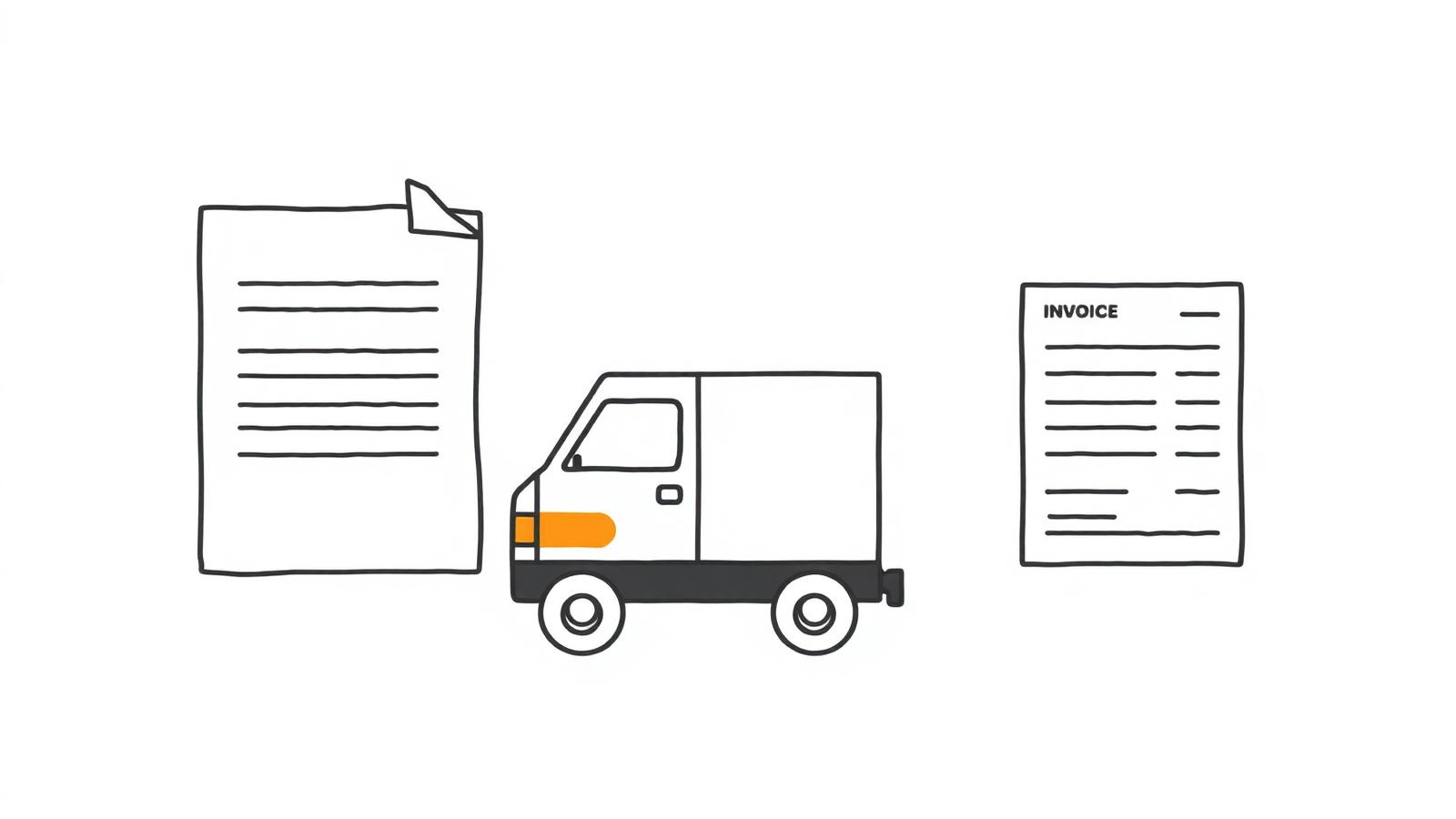
A purchase order in construction is a written order to a supplier to provide materials or equipment at an agreed price, quantity and delivery date. Once the supplier accepts it, the PO is a binding contract and becomes the document every delivery ticket and invoice on that order is checked against.
Key takeaways
- A PO buys goods. A subcontract buys work that includes labor and installation.
- Once accepted, the PO is a contract - changes to it need a written PO revision, not a phone call.
- Every PO should carry a cost code so committed cost shows up in the job cost report before the invoice arrives.
- The three-way match - PO, packing slip, invoice - is what stops overbilling and duplicate payments.
- Open POs are committed costs; leaving them off the cost report makes a job look better than it is.
Materials are bought on purchase orders, work is bought on subcontracts. That single distinction explains most of how construction procurement is organised, and it is where the confusion usually starts for people new to project controls.
What a purchase order is
A purchase order is issued by the buyer - usually the general contractor or a subcontractor - to a supplier. It states exactly what is being bought, at what price, in what quantity, delivered where and when. The supplier accepts it by acknowledging it or by performing on it. From that point the PO governs the transaction, and anything outside its terms is a change.
PO versus subcontract versus change order
| Document | What it buys | Typical scope | Common risks |
|---|---|---|---|
| Purchase order | Materials, equipment, rentals | Goods delivered to the site, no installation | Quantity and delivery date disputes, price escalation |
| Subcontract | Labor and installed work | Scope of work, schedule, insurance, retainage, lien waivers | Scope gaps, coordination, safety and insurance compliance |
| Change order | A modification to an existing contract | Added, deleted or altered scope with a price and time impact | Unpriced work performed before the change is executed |
| Field or work order | Small immediate work or purchase | Low value, short duration | Bypassing procurement controls, uncoded spend |
The line blurs when a supplier also installs. A glazing package that includes fabrication and installation is a subcontract, even though most of its value is material, because installed work brings labor, insurance, safety and lien exposure that a PO is not written to handle.
What is on a construction purchase order
- PO number and revision, and the date issued.
- Buyer and supplier details, with the accepting contact named.
- Project name, job number and delivery address.
- Line items with description, quantity, unit of measure and unit price.
- Cost code for each line so the commitment lands in the right budget line.
- Delivery date or delivery schedule, and whether partial shipments are allowed.
- Freight terms - who pays and who bears risk in transit.
- Payment terms, retainage if any, and the invoicing address.
- Tax treatment, including any exemption certificate.
- Reference to the approved submittal or mix design the material must comply with.
- Required documentation on delivery - certifications, test reports, warranties, MSDS.
- Terms and conditions, including how changes are authorised.
The three-way match
Before an invoice is paid it is checked against two other documents. This is the three-way match, and it is the core control in construction accounts payable.
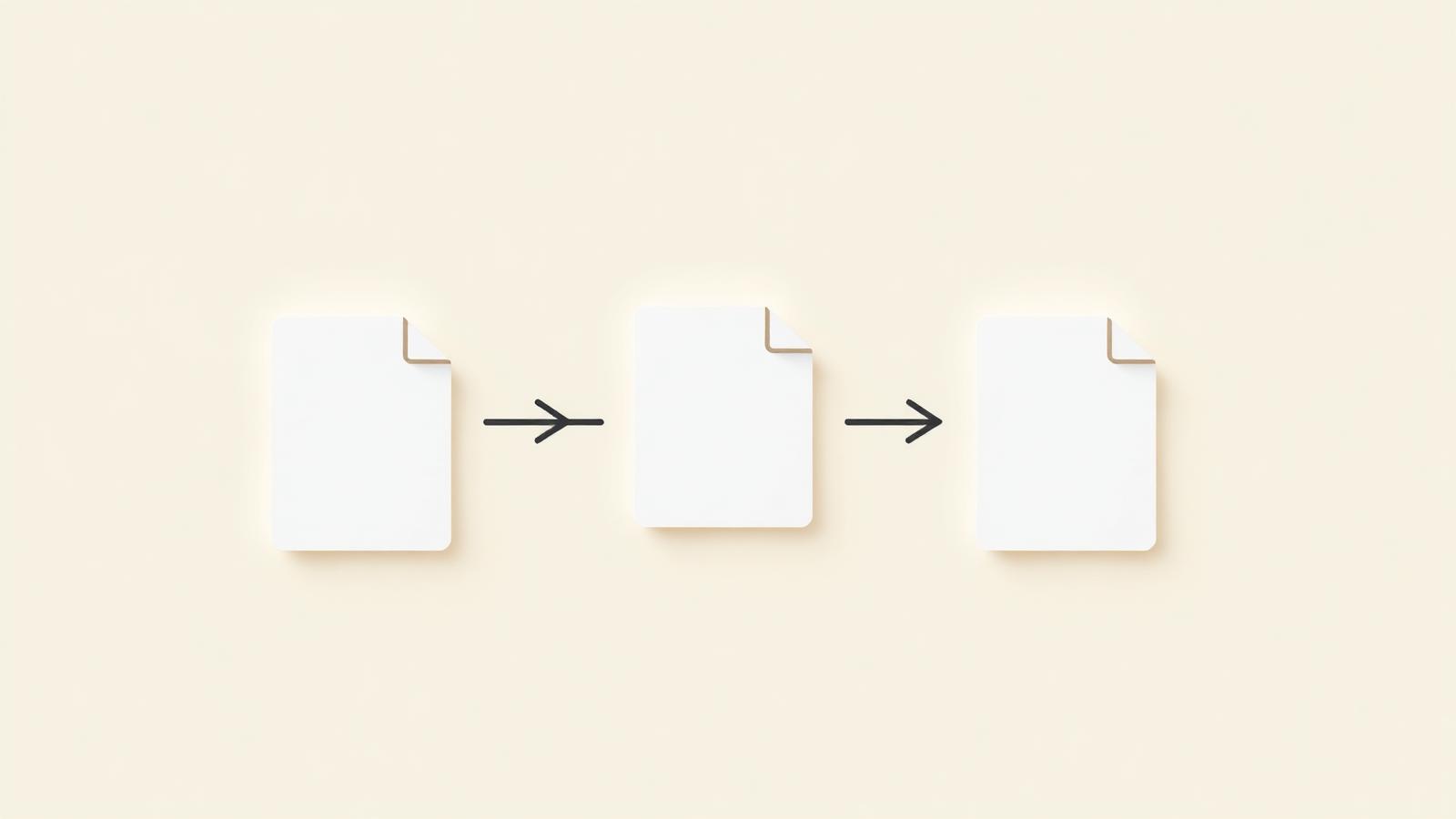
- The purchase order says what was ordered and at what price.
- The packing slip or delivery ticket, signed on site, says what actually arrived.
- The invoice says what the supplier is charging for.
If the invoice quantity exceeds the delivered quantity, or the unit price differs from the PO, payment stops until it is resolved. This is why signed delivery tickets from the field matter so much: without them, accounting has no independent record that the material arrived, and the match cannot be completed.
POs and job cost
The moment a PO is issued, its value is a committed cost. It has not been invoiced and it has not been paid, but it is spent. A job cost report that shows only invoiced costs will make a project look under budget right up to the day the material invoices land.
| Stage | Cost report effect |
|---|---|
| PO issued | Committed cost increases, actual cost unchanged |
| Material delivered | Committed cost unchanged, cost accrued against the code |
| Invoice received and matched | Actual cost increases, commitment reduces |
| PO closed | Remaining commitment released back to the budget line |
Close POs when they are complete. Open POs with small residual balances quietly overstate committed cost for the rest of the job and make the forecast harder to trust.
Practical rules for using POs well
- No delivery without a PO number - if it cannot be coded, it should not be ordered.
- Take off quantities before issuing the PO so the order matches the work, not a guess.
- Put the required approval documents on the PO so they arrive with the material.
- Have the field sign and date every delivery ticket, and note shortages or damage on the ticket itself.
- Issue a written PO revision for any price or quantity change, before the material ships.
- Reconcile open POs monthly as part of the cost review, not at closeout.
Frequently asked questions
Try DailyBuild on your next jobsite
Unlimited users on every plan. Set up a project and file your first report today.
14-day free trial · No credit card required to start · Cancel anytime